


Wellness Workshops for Organizations: Sliding Scale Rate Guide (Metro Vancouver)

Updated: Jun 11
This article explores tiered pricing and sliding scales for organizations looking for workplace wellness programs. If you are looking for more information on yoga classes and wellness programs for organizations, companies and groups, you can learn more about the services I offer here.
So you’re looking to book a wellness workshop or class, or an ongoing wellness program for your organization, and you noticed there is sliding-scale pricing available and you're wondering what does that actually mean?
Sliding-scale pricing for organizational wellness sessions is designed to make trauma-informed and accessible wellness programming available to groups with very different levels of funding and institutional support.
When I began teaching trauma-informed yoga in Metro Vancouver, I didn’t initially offer tiered pricing for organizations. Over time, as I worked with a wider range of community groups, non-profits, and institutions, it became clear that access to wellness programming is often shaped less by intention and more by budget constraints, funding structures, and organizational capacity.
I wanted to create a model where community-based organizations, especially those serving marginalized populations, could still access these wellness practices without cost being a barrier. At the same time, I needed to sustain my work in a way that remains viable and consistent. Sliding-scale pricing became a way to hold both realities at once.
Organizational sliding-scale pricing refers to adjusted rates for workshops, long-term programming, and training based on factors such as group size, funding model, frequency of engagement, and overall institutional capacity. It is grounded in principles of equity and access, while acknowledging that not all organizations operate with the same resources.

Sliding Scales and Supported Access to Wellness Programs
Organizations with limited budgets, grassroots funding models, or direct service mandates supporting marginalized communities are welcome to request reduced rates within these ranges. Conversely, institutions with stable funding, corporate budgets, or professional development allocations are invited to support the upper range when possible, helping subsidize access for community-based work.
These tiers are not rigid categories. They are intended to support reflection on organizational capacity rather than enforce strict classification. If you are unsure where your organization fits, it is appropriate to reach out and discuss what is feasible. In many cases, pricing can be adjusted based on frequency, scope, and long-term partnership potential.
My base rates are as follows and can be adapted based on context, frequency, and organizational capacity. Travel fees may apply for in-person sessions outside Metro Vancouver.:
Small groups (3–10): $150/hour
Medium groups (10–25): $300/hour
Large groups (25–50): $500/hour
100+ participants: $750/hour
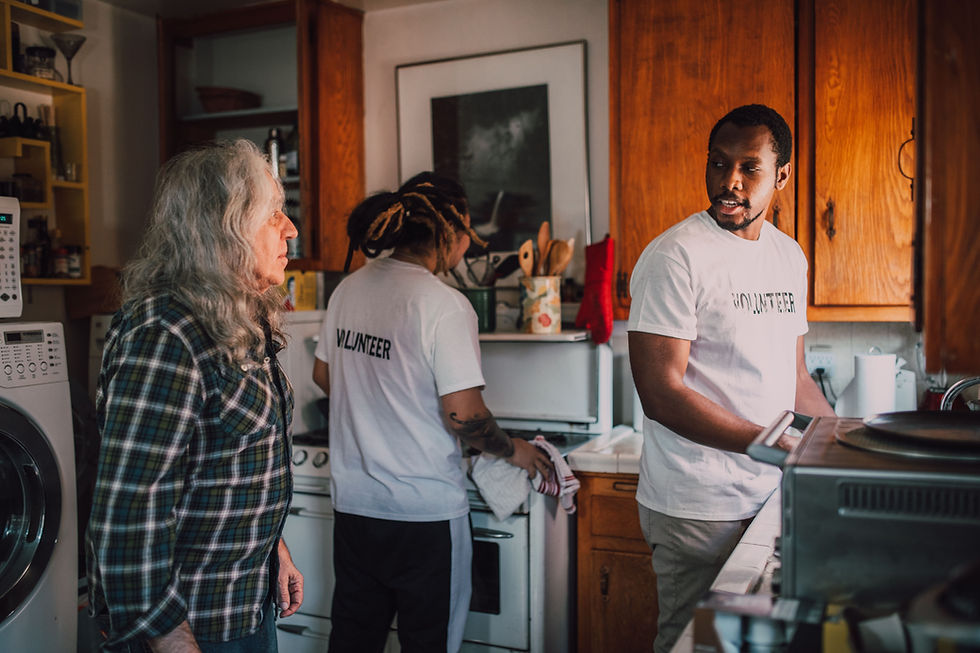
TIER ONE: COMMUNITY-BASED / LIMITED-CAPACITY ORGANIZATIONS
Grassroots, volunteer-led, or small non-profit organizations
Primarily grant-dependent or donation-funded with limited financial flexibility
Programs offered free to participants
Direct service work with marginalized or underserved communities
Limited or no dedicated wellness, training, or professional development budget
Operating out of a shared or donated space
Irregular funding and high reliance on short-term grants
Prioritizes access over expansion or institutional growth
Rates for this tier might look something like:
Small groups (3–10): $100-120/hour
Medium groups (10–25): $200-250/hour
Large groups (25–50): $350-400/hour
100+ participants: $600-650/hour

TIER TWO: ESTABLISHED NON-PROFITS / PUBLIC SERVICE ORGANIZATIONS
Registered non-profits and charities, schools, or public institutions with stable baseline funding
Mix of grant funding, government support, or institutional budgets
Some allocated budget for staff development, training, or wellness programming
Ability to plan multi-session engagements or recurring programming
Have access to a set space for purpose-built for operations (not operating out of a shared or donated space).
Participants may access classes and workshops for free or at a subsidized rate
Moderate financial flexibility, but still guided by budget constraints and reporting requirements
Typically, the organization is striving to balance delivering its services with the internal staff support need for care
Rates for this tier might look close to my baseline pricing:
Small groups (3–10): $150/hour
Medium groups (10–25): $300/hour
Large groups (25–50): $500/hour
100+ participants: $750/hour

TIER THREE: INSTITUTIONAL / CORPORATE / HIGH-CAPACITY ORGANIZATIONS
Corporate organizations, private companies, or well-funded institutions such as universities, research hospitals and federal agencies
Consistent operating budget (not dependent on annual fundraising or grants)
Multi-year financial planning capacity
Dedicated budgets for wellness, HR training, or professional development
HR or management is the point of contact rather than individual community organizers
Ownership or long-term control of physical assets (buildings, campuses, clinics, office spaces, service or retail locations)
Ability to host conferences, retreats, gala fundraisers, or large-scale internal events
Wellness programming is framed as “employee benefit” or “performance support” rather than access-based care
Engagements are typically structured as ongoing programming or series of contracted workshops
Suggested starting rates for this tier are reflected below Small groups (3–10): $175-$200 / hour
Medium groups (10–25): $350-$400 / hour
Large groups (25–50): $500-$600 / hour
100+ participants: $900+ / hour


Comments